What's the Difference Between Fibre, Standard Broadband, and 5G Home Internet?
Broadband technology has evolved dramatically over recent years, giving UK households more options than ever. Understanding the differences helps you choose what works best for your situation and location.
Standard ADSL broadband
ADSL uses existing copper telephone lines and typically delivers speeds between 2-10 Mbps. It's widely available, even in remote areas, making it the only option for many rural properties. However, speeds decrease with distance from the exchange. ADSL is affordable and reliable for light users, but struggles with heavy streaming or multiple simultaneous users. Many providers are phasing out ADSL as fibre becomes more prevalent.
Superfast fibre broadband
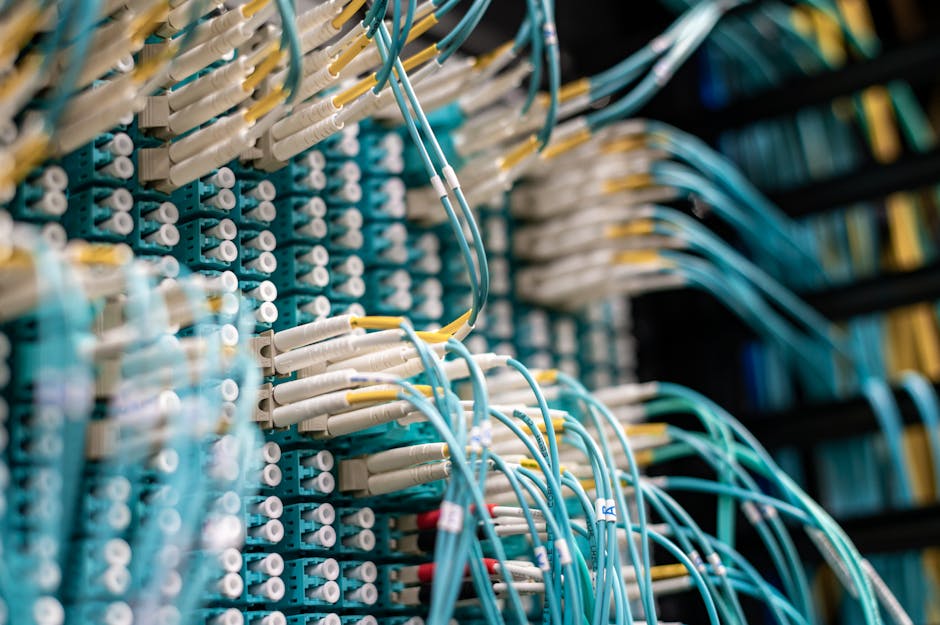
Fibre-to-the-cabinet (FTTC) and fibre-to-the-premises (FTTP) connections deliver dramatically faster speeds—typically 50-150 Mbps for FTTC and up to 1000 Mbps for full fibre. Fibre is less affected by distance and weather, providing consistent, reliable speeds. The main drawback is availability; not all areas have fibre infrastructure yet. Installation might require groundwork if fibre isn't already available at your property. Fibre costs more than ADSL but offers superior performance for most households.
5G home internet
This emerging technology uses mobile networks to deliver broadband wirelessly, with no cables needed. Speeds typically range from 50-300 Mbps depending on signal strength and network congestion. 5G home internet is fantastic for properties where fibre installation is impractical or expensive, and it's quickly expanding across the UK. However, it depends on good mobile signal strength at your location, and speeds can fluctuate based on network usage.
Which should you choose?
Your decision depends on three factors: availability, budget, and needs. Check what's available at your postcode first. If fibre is available, it's usually the best choice for most households. If you're in a remote area without fibre, ADSL remains adequate for basic use, or investigate 5G availability. If cost is your primary concern and you only need basic internet, ADSL serves many users well.
Future-proofing your choice
Technology moves quickly. Fibre infrastructure continues expanding, particularly full fibre FTTP rollout. Even if you currently have ADSL, check back regularly about fibre availability in your area. Upgrading when it becomes available future-proofs your connection against increasing data demands.
Each technology has merit depending on circumstances. Understanding your options ensures you choose the best fit for your home and budget.